


















 6 Min
6 Min
 Zuletzt aktualisiert am 23.09.2026
protein It is an essential component of our diet and important for many processes in our body. However, many concerns surround this important macronutrient. Myths and misunderstandings. In this article, we will debunk some of the most common myths about protein in the diet and... scientifically sound facts contrast.
Myth 1: More protein means more muscles
This is probably one of the most widespread myths. While protein plays a key role in muscle growth, excessive protein intake does not automatically lead to more muscle mass.
Fact: The body can only effectively utilize a certain amount of protein. Excess protein is either stored as fat or excreted. For muscle growth, a balance between adequate protein intake, regular strength training and adequate recovery crucial. If you're switching between daily 1.5 & 2 g of protein per kg of body weight The amount you consume is in most cases sufficient to provide your body with enough "building material" for the muscles.
More on protein requirements: How much protein per kg?
Myth 2: Plant-based protein is inferior
It is often claimed that plant proteins are not as good as animal proteins because they do not contain all the essential amino acids.
Fact: Vegans and vegetarians can obtain all the necessary amino acids by combining different plant-based protein sources. Therefore, make sure to consume a diverse range of protein sources to ensure you're getting all the essential amino acids.
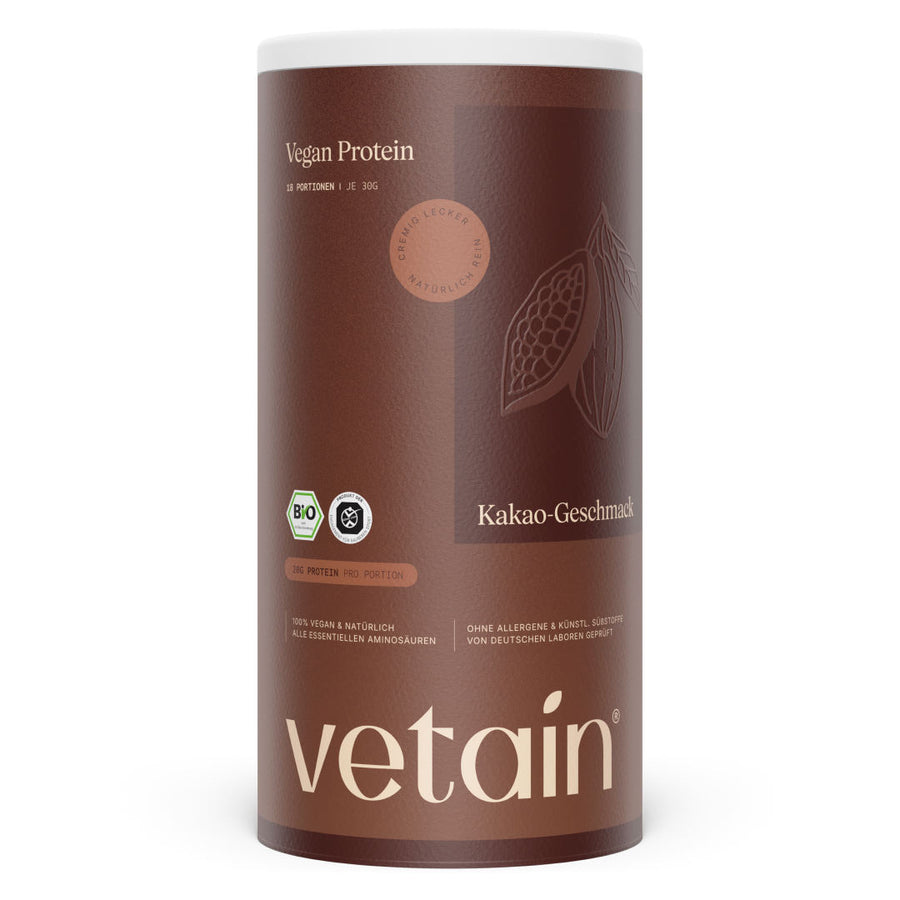
This is also the reason why our Vegan Protein consists of several different protein sources. This gives us a exceptionally good amino acid profile.
%-product_content-%
Also of interest: A detailed comparison between animal and plant proteins
Myth 3: Protein shakes are necessary for everyone
Protein shakes are often considered essential for muscle building and fitness.
Fact: Protein shakes can be a convenient way to increase protein intake, but they are not necessary for everyone. A balanced diet with sufficient protein sources is usually enough to meet daily protein requirements. Nevertheless, many people fail to meet their protein needs in their everyday lives. You can therefore make optimal use of protein powder to, for example, enrich your meals with protein and more easily meet your protein requirements.
Here you can find more information about your Daily protein requirement.
Myth 4: Too much protein is bad for the kidneys
The assumption that a high protein intake is generally harmful to the kidneys persists.
Myth 5: All proteins are the same
It is often assumed that the source of the protein is irrelevant as long as you consume enough of it.
Fact: The Quality of the protein, measured against his digestibility and the Amino acid profile, This varies depending on the source. Animal proteins are generally more complete in terms of essential amino acids, but plant-based proteins can be supplemented through a balanced diet to provide a complete amino acid profile.
%-split_content-%
Conclusion
Protein is a essential macronutrient, But it is important to focus on well-founded facts, Instead of relying on myths to ensure a healthy and balanced diet, incorporating a variety of proteins into your diet, whether from animal or plant sources, along with balanced exercise and lifestyle, is key to a well-rounded lifestyle.