















 Zuletzt aktualisiert am 23.09.2026

When I’m scrolling through TikTok these days, I sometimes feel like all of social media has turned into one giant protein shake: Every meal is calculated down to the gram, and Protein Maxxing is celebrated as if it had cracked the secret to building muscle and having endless energy. As a nutritionist, I’ll be honest with you: Some aspects of the trend make sense—but with others, you’d better take a closer look.
Protein Maxxing: Your knowledge to go
-
Protein Maxxing means eating 2 to 3 (or more) g of protein per kilogram of body weight every day—significantly more than the official baseline requirement.
-
What’s clear is that protein is genuinely important—for building and maintaining muscle, as a building block for enzymes and hormones, and much more.
-
But more isn’t always better. Beyond a certain point, additional protein provides hardly any further benefit. Instead, too much protein can also pose risks!
-
If you focus only on protein, you can quickly crowd out other important nutrients such as fiber and micronutrients.
-
My recommendation: Find out how much protein makes sense for you individually and make the most of that amount—instead of following an arbitrary number from the internet. That’s sensible Protein Maxxing.
What is "Protein Maxxing"?
Protein Maxxing is a nutrition trend in which daily protein intake is deliberately maximized—often far beyond the usual recommendations. Typical amounts are 2 to 3 grams of protein per kilogram of body weight per day. Or even more. For comparison: The DGE recommends 0.8 g per kilogram of body weight as the baseline requirement for adults. To be honest, the requirement can be higher for many people, especially active individuals. However, not necessarily as high as 2–3 g. You can find out how much protein is right for you in our article How much protein per kg really makes sense.
Did you know?
The term is part of a whole family of “-maxxing” trends (from Sleepmaxxing to Fibermaxxing), each of which pushes a single health factor to the limit. The basic idea is always the same: “more is better”—a mentality that quickly reaches its limits in practice. Because there’s one thing we need to keep in mind: A deliberately protein-rich diet with carefully considered amounts is entirely different from the unfiltered Maxxing currently circulating through social media feeds.
Where did the trend come from—and why is it so popular right now?
The Protein Maxxing trend emerged on social media several years ago and has spread massively ever since. Strong marketing from the food industry has added to this: From protein-rich chips to fortified pasta—“High Protein” products are selling very well right now.
And honestly, we understand why. After all, protein is important for a great many bodily functions—for example:
-
Building and maintaining muscle: For all gym fans, this is THE main argument for protein.
-
A building block for enzymes and hormones—central to many metabolic processes.
-
Bones: Protein contributes to the maintenance of normal bones.
And obviously, we also sell High Protein products, which means we’re right in the middle of this bubble ourselves. But—and this is a big BUT—one thing is always important to us: A balanced diet and a healthy relationship with food. That’s why we’re also somewhat skeptical of the trend: An unremarkable-sounding trend can quickly turn into excessive, endless maximizing that gradually but surely shifts your focus completely.
Is Protein Maxxing really that great?
In short: It depends.
Arguments in favor:
It’s great that more people are engaging with their diet in the first place. Those who start occasionally reading ingredient lists, nutrition information, and guides and thinking about protein often become more attentive to other nutrition topics too. And anyone who has previously eaten too little protein can often genuinely benefit from a little more protein.
Arguments against:
Protein Maxxing is usually about quantity over quality—the main thing is to get a lot, regardless of whether the source is high-quality or suits you and your everyday life. Or how much protein you actually need. There is rarely any real adjustment to your individual requirements: training level, age, and health hardly play a role. In addition, the trend is often quite extreme and rarely designed for the long term—more of a quick social media hype than a well-thought-out change in diet.
For many people, Protein Maxxing sounds like a genuine magic solution: more muscle, better skin, more energy. But ultimately, there is “simply” a macronutrient behind it, not a miracle formula—and that can be disappointing when the promised transformation fails to appear.
The potential risks of “Maxxing”
Let’s get to the risks that people on TikTok rarely talk about:
-
Other nutrients get overlooked: If you focus only on the protein number, you often neglect fiber, vitamins, and minerals from vegetables, fruit, and whole-grain products.
-
An unbalanced diet: A diet centered solely around protein is not balanced—in the long term, it can put strain on your digestive system or metabolism.
-
The same applies to protein—too much is simply too much. You can read more about this in our article What happens when you consume too much protein?
So should you banish the topic of Protein Maxxing from your life altogether? Not necessarily—we’ll get to that now:
My honest assessment as a nutritionist
I’ll tell you directly: Protein is great—but more isn’t always better. And simply increasing your protein intake is unlikely to do much for you. Instead, a healthy lifestyle with a balanced diet and an individually appropriate amount of protein is the key to success.
There’s one more thing that’s important to me: We don’t want to bad-mouth the trend or the creators behind it—by all means, that’s not what this is about. Instead, we want to provide information: Take a close look at whose nutrition advice you follow. Some tips and tricks often come from people who themselves know little about nutrition and are simply passing on advice from others. When it comes to such important topics, it’s better to rely on genuine experts or do thorough research yourself—and if you’re unsure, feel free to ask us.
Our recommendation for Protein Maxxing: Protein, yes—but informed and in moderation
You can find out how much protein makes sense for you personally in our article How much protein per kg really makes sense—and you’re welcome to make the most of that amount. That’s what sensible Protein Maxxing means to us: Protein Maxxing that’s genuinely tailored to you and your needs.
The focus should clearly be on protein quality—that is, a profile containing as many essential amino acids as possible, especially when it comes to plant-based sources. Just as important: Protein is only one piece of the puzzle. Incorporate it into a balanced, fiber-rich diet instead of pursuing extremes. That’s how sensible Protein Maxxing works.
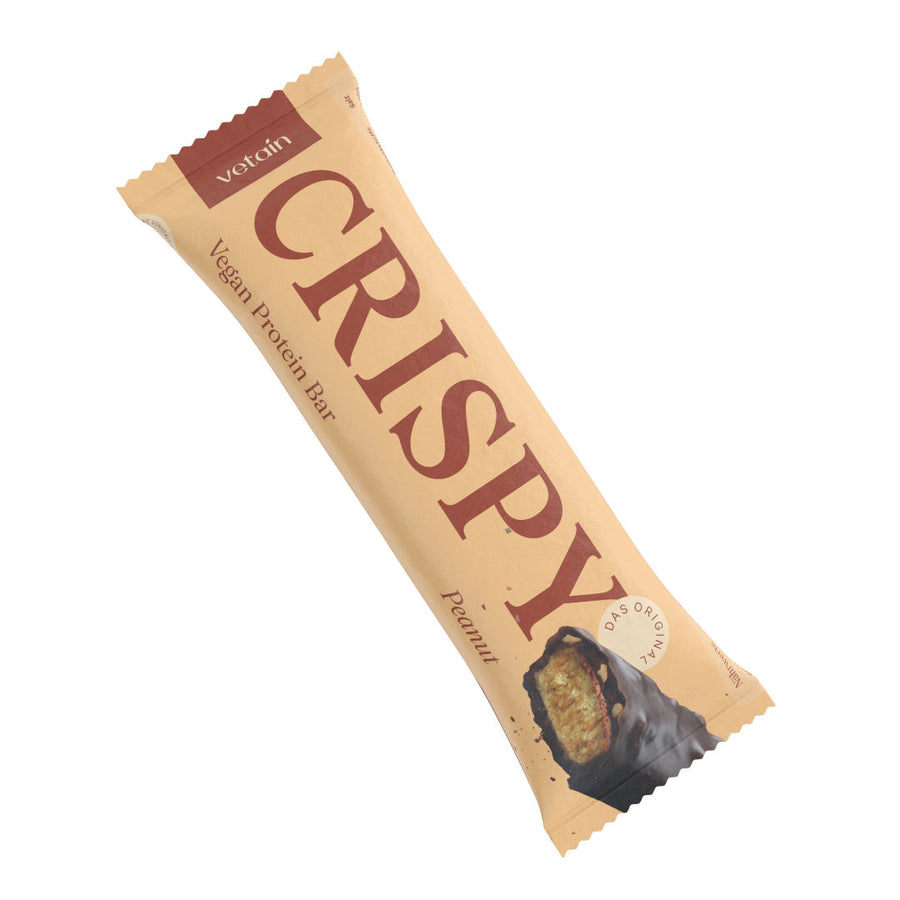
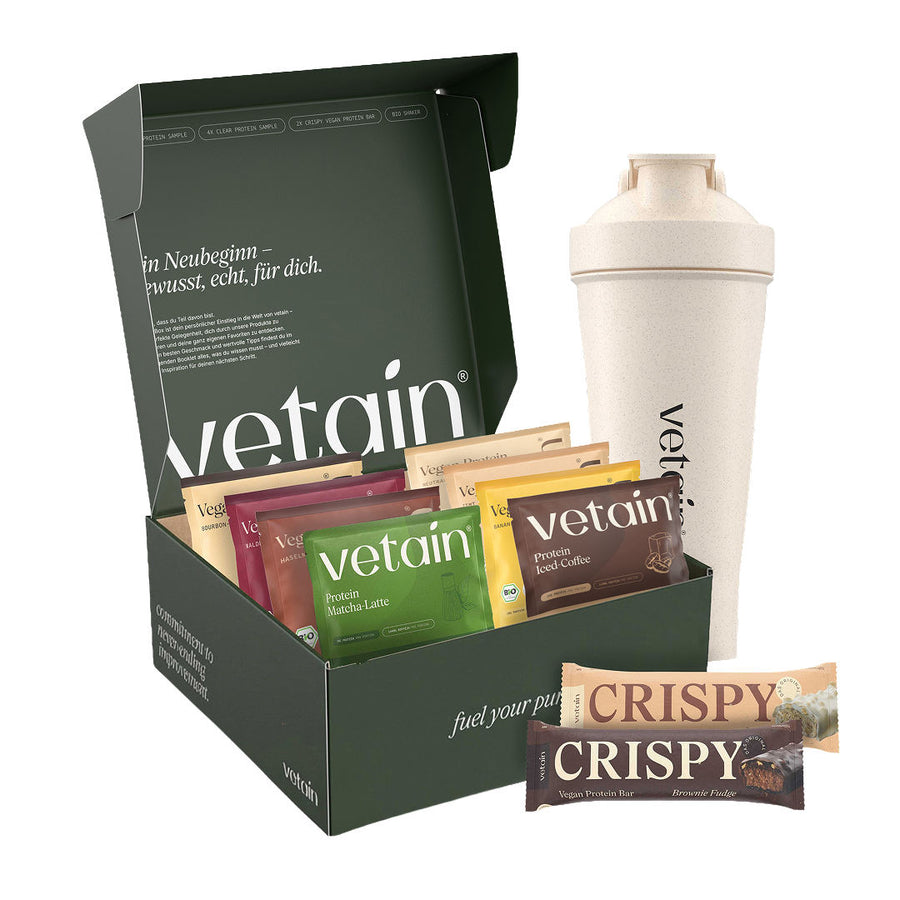
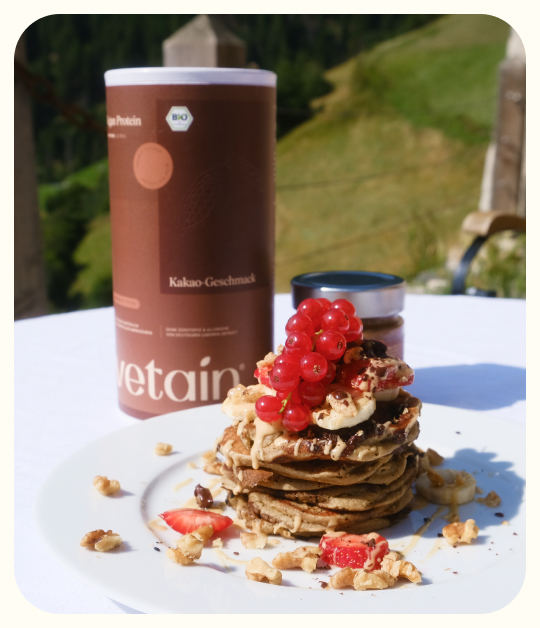
And if you’re looking for suitable products: Our vegan protein powder and our vegan protein bars provide high-quality plant-based protein with a complete amino acid profile—and unlike many pure “High Protein” snacks, our plant-based ingredients such as flaxseed and legumes naturally also provide other nutrients, including fiber.
%-product_content-%
You might also be interested in: Which protein powder is right for you? and How many protein bars a day?
Do you have any questions? Feel free to send me an email—I’d love to hear from you! :)
Literature & sources
-
EFSA Scientific Opinion on Dietary Reference Values for Protein (2012)
-
German Nutrition Society (DGE): Reference values for protein intake
-
Richter, M. et al. (2019): “Revised Reference Values for the Intake of Protein.” Annals of Nutrition and Metabolism, 74(3), 242–250.
-
American Medical Association (2026): “7 Things Patients Should Know About Protein Maxxing”