
















 8 Min
8 Min
 Zuletzt aktualisiert am 23.09.2026

Vegetarian diet = nutrient deficiency? What you often hear isn't necessarily true. A poor nutrient supply isn't automatically guaranteed with a vegetarian diet. Instead, you simply need to pay a little more attention to your intake of certain vitamins and minerals.
Therefore, in the vegetarian Nutrition Supplements It can be a supplementary source of certain nutrients when dietary intake is insufficient. You will learn in the next few minutes which dietary supplements you really need and how to find the perfect products for you.
Your knowledge to go: Vegetarian Nutrition Supplements
-
In the vegetarian Nutrition supplements can complement your nutrient intake.
-
Often, however, supplements are not necessary; much can be achieved with a balanced diet.
-
Critical nutrients in a vegetarian diet include vitamin B12, vitamin D, iron, omega-3 fatty acids, iodine and zinc.
-
Supplementation with vitamin D and omega-3 fatty acids is of interest to many.

What is a vegetarian diet?
So that we're all on the same page: The typical vegetarian diet is actually called ovo-lacto-vegetarian diet And that means you don't eat meat or fish. Eggs and dairy products are still eaten, though – so you don't have to give up your soft-boiled egg in the morning.
However, there are other forms of vegetarian diets, such as the ovo-vegetarian diet, in which eggs are eaten but milk is avoided, or the lacto-vegetarian diet, in which eggs are a no-go, but milk is drunk.
In this article, however, we will focus only on the most well-known form: the ovo-lacto-vegetarian diet.
Enough about ovo and lacto – back to the topic vegetarian Nutrition and supplements.
Critical nutrients
If you abstain from meat and fish, you may end up absorbing less of some nutrients.
Which nutrients are critical in a vegetarian diet?
Vitamin B12
We know vitamin B12 as a vitamin found in meat. This vitamin contributes to normal energy metabolism and helps reduce tiredness and fatigue. I think I need a whole bucket of vitamin B12.
Vitamin D
That's probably no surprise, right? Studies show that vitamin D is a critical nutrient for many people in Germany. The body produces vitamin D itself when we're exposed to sunlight. However, since we in Germany often need an umbrella rather than a parasol, our vitamin D levels can suffer. Studies show that vitamin D levels are not optimal for a large portion of the population in Germany. This nutrient is even more critical for vegetarians because one of the few sources of vitamin D (fatty fish) is eliminated.
iron
Iron is often absorbed through animal products, and animal protein is often more readily absorbed by the body than plant protein.However, good plant-based sources of iron do exist. We'll get to that later.
Omega-3 fatty acids
Omega-3 fatty acids are well known to be found in fish. But what happens when fish is eliminated from the diet? EPA and DHA (two fatty acids) contribute to this. A daily intake of 250 mg contributes to normal heart function – so it is important that we consume sufficient fatty acids.
iodine
As with all our articles on dietary supplements, iodine also gets its due. Iodine is a critical nutrient in general. Therefore, in Germany, it is recommended to use iodized table salt and consume products made with iodized salt. Furthermore, vegetarians lack an important source of iodine (fish), which is why particular attention should be paid to iodine intake.
zinc
Similar to iron, plant-based zinc is not absorbed as well as animal-based zinc. Therefore, attention must be paid to intake, for example, to support the normal function of the immune system.
Very important: If you don't eat a balanced or vegan diet, you may not get enough of other nutrients such as vitamin B2 or calcium.
What to do?
Have you already filled your shopping cart with vitamins and minerals? Then wait just a moment! Supplementation isn't always necessary. Following the motto "supplements rather than replacements," we should always try to get our nutrients through our diet first. Many things can be obtained through a diet alone. balanced diet and compensate with a bit of know-how. Only if we fail to do that can we resort to supplements.
What else can we do besides supplements?
-
Incorporate foods rich in a critical nutrient into your diet often! Legumes give you an extra dose of zinc, and flaxseeds provide omega-3 fatty acids.
-
Use tips and tricks: For example, plant-based iron is more easily absorbed when combined with something containing vitamin C, such as bell peppers or lemons.
-
Fortified foods: These are the middle ground between natural nutrition and supplementation. Some foods, for example, are fortified with vitamin D.
Let's go through the individual nutrients so you know exactly whether you're getting enough for your diet. vegetarian You need nutritional supplements.
Vegetarian Nutrition: Supplements or a balanced diet?
Vitamin B12
-
Supplementation can be beneficial if not enough eggs and dairy products are consumed!
Vitamin B12 is found in some animal products such as eggs and milk. Therefore, make sure you consume enough of these foods. One egg, for example, covers a quarter of your daily requirement, and 250 ml of cow's milk another quarter.
The best sources for you:
-
eggs
-
Milk and dairy products (e.g.Cheese, yogurt)
-
Fortified foods
Vitamin D
-
Supplementation is beneficial for many!
Supplementation is often unavoidable, especially in winter.
The best sources for you – besides sunbathing:
-
egg yolk
-
Butter and high-fat dairy products (note: low content)
-
Enriched products
iron
-
Supplementation only after consulting a doctor!
Many foods are rich in iron and can meet your iron needs in a vegetarian Meet your dietary needs without supplements. Very important: Always combine plant-based iron sources with vitamin C so your body can absorb them better.
Is that too complicated for you and you just want to supplement? Then caution is advised: Iron supplementation should never be undertaken on your own, but always in consultation with professionals after a deficiency or undersupply has been diagnosed.
The best sources for you:
-
Legumes (z.B. Lentils, chickpeas)
-
whole grain products
-
eggs
Omega-3 fatty acids
-
Supplementation is beneficial for many!
Foods like flax or chia seeds are rich in omega-3 fatty acids. Admittedly, it can be difficult to consume enough of these products in everyday life. After all, you don't eat one every day. Chia pudding or a porridge with flaxseeds. Vegetarian supplements made from algae oil can therefore be a practical option.
The best sources for you:
-
Flaxseed (preferably freshly ground) & Linseed oil
-
Chia seeds
-
Walnuts
iodine
-
Supplementation only for certain groups of people (z.B. pregnant women) recommended!
Regular iodized table salt is perfectly sufficient for most people. Further supplementation is only recommended for certain groups.
The best sources for you:
-
Iodized table salt
-
Milk & Dairy products
-
Algae (Caution: Overdosing possible!)
zinc
-
Supplementation is usually not necessary!
Although there are many vegetarian sources of zinc, there's a problem: zinc from plant-based sources like whole grains or legumes is often not absorbed as well by the body. The reason? Phytates.These are substances found in plant-based zinc sources that bind zinc, making it difficult for the body to absorb it.
The best sources for you:
-
Cheese (z.B. Emmentaler)
-
whole grains & Legumes
-
nuts & kernels
Do vegetarians need dietary supplements?
Let's get down to brass tacks... or rather, let's get down to brass tacks. Do vegetarians need dietary supplements? How important are they in the... vegetarian Nutrition supplements?
Well, that depends. Experts generally recommend supplementing with certain vitamins, minerals, and other nutrients. These include, for example, vitamin D and omega-3 fatty acids.
For other nutrients, your diet plays a crucial role. Therefore, pay close attention to your diet for a few days and use apps to track your intake of various micronutrients. Are you deficient in something? Then treat yourself to a little extra food rich in that nutrient. If that's still not enough, supplementation might be a good option.
Very important: All information in this article is aimed at healthy adults with a balanced diet.
Vegetarian diet in sports
Vegetarianism and sports – how do they fit together? While many critics say that meat is absolutely necessary to be successful in sports, top vegetarian or even vegan athletes show that it is quite possible to get off to a great start in sports with a vegetarian diet. Oops.
Good news for us!
Just make sure you're providing your body with plenty of nutrients. Proteins, in particular, are incredibly important for athletes, because... Protein contributes to the growth and maintenance of muscle mass. Besides eggs, plant-based protein sources such as legumes can also provide protein.
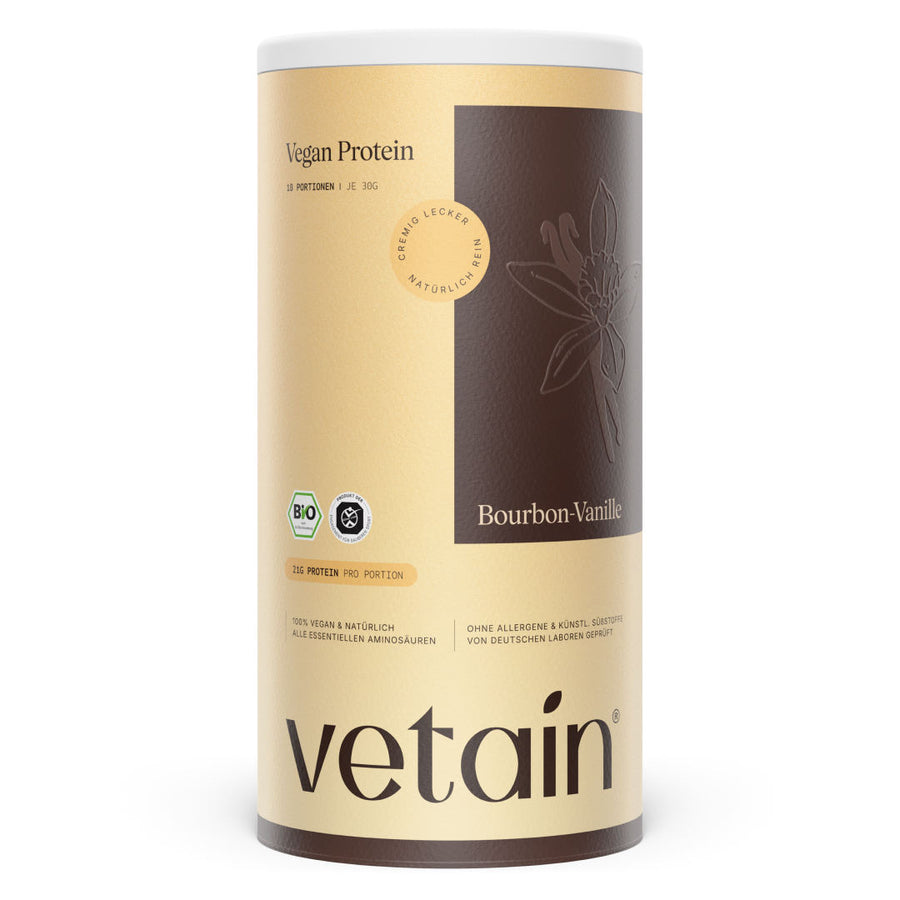
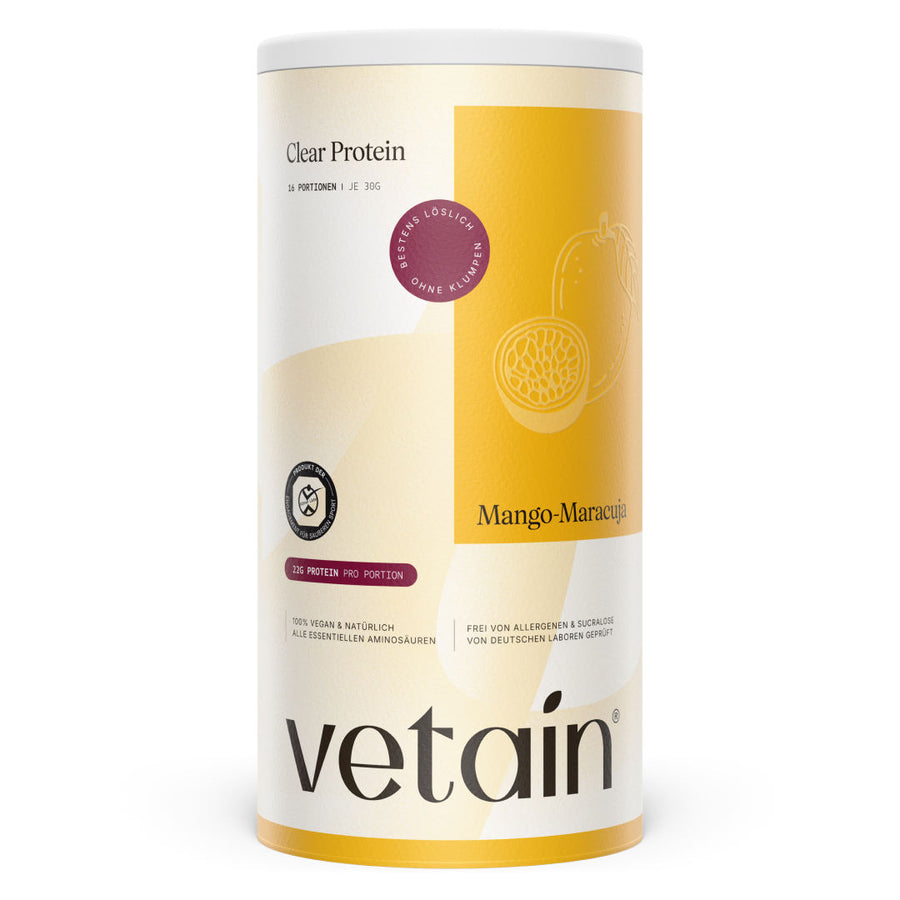
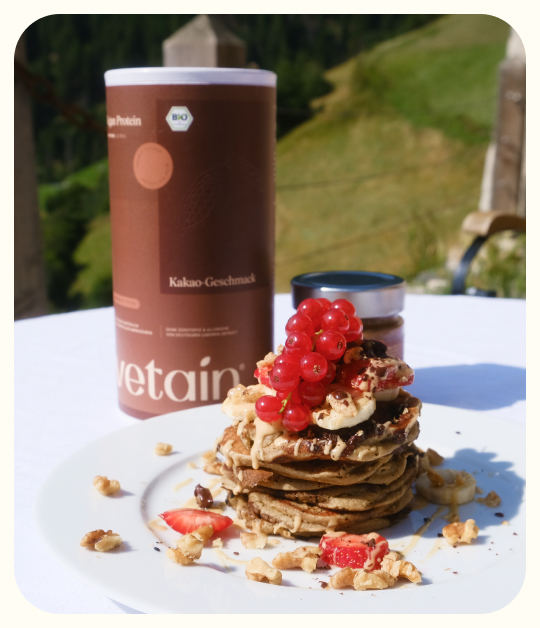
Our tip: Protein products also count in a certain way in the vegetarian Nutrition and supplements. For example, plant-based protein powders a convenient source of protein.
%-product_content-%
Find your supplements
You now know which supplements you need and why they're important. vegetarian Nutritional supplements are important... But how do you find good supplements?
Here's your guide: Dietary supplements for vegetarians
-
What do you really need? Find out which nutrients are important for you. Important: There are special supplements for vegetarians. However, these often contain a wild mix of nutrients, some of which you probably don't need at all.
-
Check whether the product is vegetarian or vegan. You can usually find this information on the packaging. Otherwise, you can check the ingredient list or contact the manufacturer.
-
Check if the ingredients make sense. Many products contain numerous fillers or additives that your body doesn't need, or they contain too many or too few nutrients.
-
Learn about the company. Look at how they operate and what their values are. Especially if you care about the environment, you should pay attention to which companies are only engaging in greenwashing and which ones are genuinely committed to ethical practices. sustainability is truly important to me.
At a vegetarian Finding good nutritional supplements can be difficult. We want to support you in this and have therefore set ourselves the goal of... clean and high-quality nutritional supplements to produce for everyone.
%-split_content-%
Conclusion: What supplements should vegetarians take?
In the vegetarian Nutrition supplements can be very important and complement your nutrient intake. However, you can often achieve a lot with a balanced diet alone. This also saves you money!
Therefore, thoroughly research your needs and understand your current diet: Do you eat plenty of fruits and vegetables? What about legumes? And are nuts and seeds a daily part of your diet, or are they something you've never eaten before? The better you know yourself and your diet, the better you'll understand which supplements you need.
literature & Sources
-
Bollhöfer, M. (2012). Vegetarianism (Part 1). Meaning and definition of vegetarianism. In: Ernährungs Umschau, 58(2).
-
Bollhöfer, M. (2012). Vegetarianism (Part 2). Meaning, forms and nutritional assessment. In: Ernährungs Umschau, 58(4).
-
Mensink G.B.M. ; Location Barbosa, C. & Brettschneider, A.-K. (2016). Prevalence of vegetarianism in Germany. In: Journal Of Health Monitoring, 1(2).
Do you have any questions? Then feel free to write me a message. Mail - I look forward to hearing from you! :)
The information shared in this article does not replace individual medical or nutritional advice.