

















 6 Min
6 Min
 Zuletzt aktualisiert am 24.08.2026

You’re standing in the supermarket in front of an entire shelf full of colorful bars - all promising you muscle, energy, and the best workout of your life. But what do protein bars really offer? Are they actually a practical snack, or just expensive candy in sporty packaging?
That’s exactly what we’re going to clarify now. In this article, I’ll take you into the science, the gym, and the supermarket, so that by the end you’ll know exactly whether and when they make sense for you.
Your knowledge to go: What do protein bars offer?
-
Protein bars usually provide between 10 and 20 g of protein per bar, making them a practical source of protein - especially when you’re on the go.
-
Muscle growth & maintenance: Protein contributes to the growth and maintenance of muscle mass. Simply snacking on protein bars won’t build muscle, though; that requires training.
-
Quality marker: A good protein bar contains more protein than sugar and has a list of ingredients that is as short and easy to understand as possible.
-
How to put it into perspective: 1-2 protein bars a day are generally considered harmless, but they should be viewed as a supplement, not a substitute for a varied, nutrient-rich diet.
What do protein bars do for your body?
Before we talk about bars, let’s take a quick look at the star of the show: protein. Naturally, it’s the nutrient we need to focus on when asking what protein bars offer.
So, a quick recap: Protein is one of the most important nutrients of all, and your body needs it for quite a few processes:
-
Muscle growth and maintenance: Protein contributes to muscle protein synthesis - the process by which your body builds new muscle mass.
-
Immune system: Antibodies are chemically made of protein, so getting enough protein is important for this as well.
-
Enzymes and hormones: Some metabolic processes rely on protein as a foundation.
-
Satiety: Protein can contribute to a feeling of fullness, which is useful when you’re a little hungry - more on that shortly.
So what do protein bars have to do with all of this? Simple: They’re practical snacks between meals and provide exactly the protein you need. Whether between two meetings, on the way to the gym, or as an afternoon snack, a bar gives you quickly available protein without requiring you to cook.
Let’s take a closer look at a few areas: What do protein bars offer in specific situations?
Do protein bars help with muscle building?
Okay, the big question: Are protein bars good for building muscle?
One thing is certain: Protein contributes to the growth and maintenance of muscle mass - this is well supported by scientific evidence. Protein bars can help supplement your daily protein needs and therefore count toward your total protein intake. Protein bars and muscle building really do go well together! However, it’s important to note that this connection applies more to the protein than to the bar itself! ;) You can get the same effect by drinking protein shakes, eating lentils, or adding a portion of tofu to your lunch. You’ll find out later why I, as a nutritionist, still rely on protein bars!
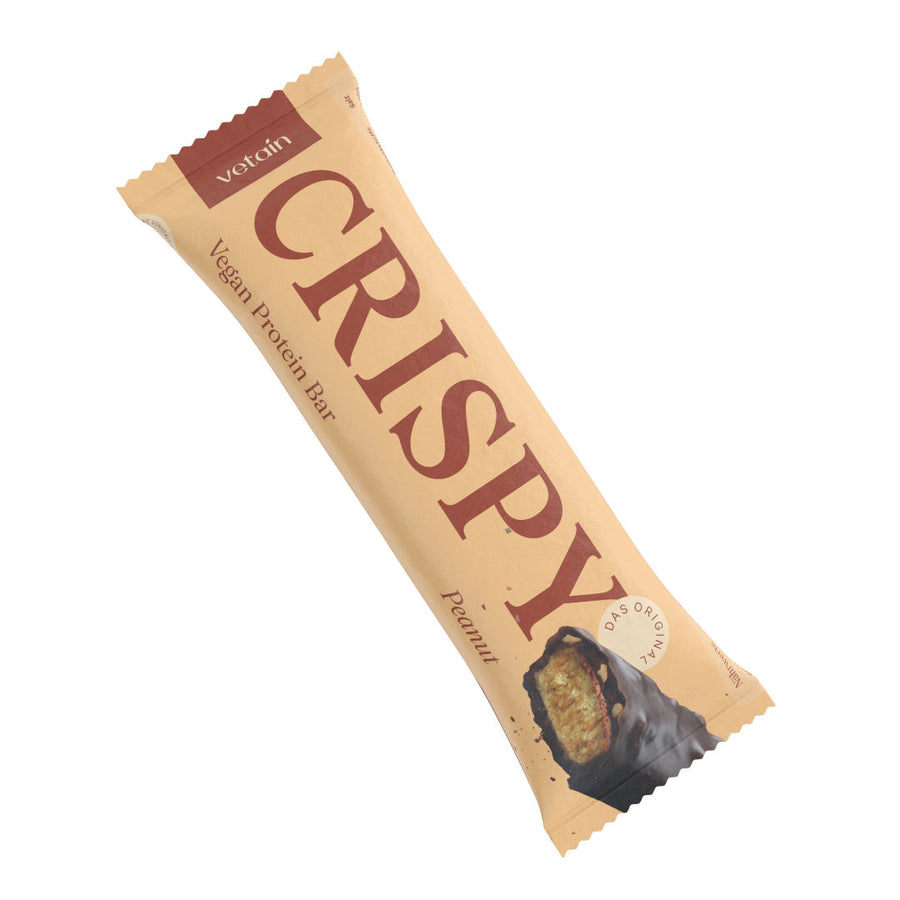
What does this mean for you? What benefits do protein bars offer here? For example, if you weigh 70 kg and aim for 1 g of protein per kilogram, you need 70 g of protein per day. A Vetain peanut protein bar with 12 g of protein already provides more than 15% of that amount. The rest comes from your regular diet - from legumes, tofu, lentils, or other protein sources. Of course, you can also enjoy a protein shake from time to time!
Protein bars and muscle building therefore go well together - but the bar alone won’t build muscle for you. Without training and an overall protein-rich diet, even the best high-protein bar offers little benefit. It’s the overall combination of exercise, nutrition, and recovery that makes the difference.
Can protein bars help with weight loss?
Are protein bars good for weight loss, and what benefits do protein bars offer in this context? Protein bars are no miracle cure - but they can support you if you’re currently looking to change your body weight.
So they won’t make you lose weight as if by magic, but they can be a tool on your weight-loss journey. For example, they can replace sweets, serve as small snacks between meals, and satisfy your craving for chocolate.
Related to this, we often get asked: Do protein bars fill you up? The protein and fiber in bars can contribute to a lasting feeling of fullness.
Who can benefit from protein bars?
Beyond the question “What are the benefits of protein bars?”, many people also wonder: Are these bars actually useful for me?
Let's take a look! What are protein bars good for - and when are they particularly worthwhile? Here are a few situations in which protein bars provide real added value:
-
After training: Protein bars provide protein for your muscles at this point.
-
On the go: Protein bars are practical, nutrition-conscious snacks for when you're out and about and are easy to consume - whether on the train, between lectures, or while traveling.
-
As a snack replacement: When you get a little hungry in the afternoon or while relaxing on the sofa, a protein bar is an alternative to a typical chocolate bar.
-
On intensive training days: Especially when exercise increases your protein requirements and you cannot meet them with regular foods alone, bars can be really practical.
Protein bars can therefore help meet your protein requirements or serve as a tasty snack alternative - but they are not necessarily essential for everyone. If you already get enough protein from your diet and don't care for such "gimmicks," you don't necessarily need a bar.
Advantages and disadvantages of protein bars
Whether protein bars are good or bad cannot be answered in general terms. It depends on the product and the context. Exactly as with the article's main topic: what protein bars are good for.
The advantages:
-
A concentrated amount of protein in a convenient form
-
Quickly available, no preparation required
-
Some are fortified with fiber and other nutrients
-
A tasty way to consume protein
-
An alternative to sweets
The disadvantages:
-
Depending on the brand, they may contain high amounts of sugar and fat
-
Not a substitute for a varied diet with micronutrients
You can already see: Whether protein bars are a hit or a flop depends primarily on their quality and composition.
You can find the criteria for high-quality protein bars in our article "How many protein bars per day?".
Let's briefly address another frequently asked question: protein shakes or bars?
Protein shakes often provide more protein per serving than bars and offer more flexibility in dosage. However, bars beat shakes when it comes to convenience and effort. Protein powder and protein bars both have their place - ultimately, the choice depends on your goal and your daily routine. Or you can simply go for both! ;)
%-product_content-%
What are vegan protein bars good for?
So what do protein bars offer in the vegan version? Well, actually exactly the same as animal-based products - if they're well made. That makes sense, because after all, we've learned that the answer to the question "What are protein bars good for?" mainly lies in the proteins! Whether they're plant-based or animal-based is really secondary (as long as the quality is right). And we have good news: plant-based high-protein products have made a real leap in quality in recent years and can now hold their own in terms of taste, too!
This is exactly where we come in at Vetain: our vegan protein bars consist exclusively of plant proteins and are also free from sucralose and artificial additives. They also provide a serving of fiber and have a composition you can understand without having studied food chemistry. If you value quality, transparency, and a plant-based diet, this could be just your thing.
%-split_content-%
And if you feel like making your own protein bars, you'll also find inspiration for that here.
Conclusion
So, what do protein bars offer overall? They're not a miracle cure, but they're a really practical tool when you use them intentionally. Protein bars quickly provide protein - whether for fitness goals or simply as an alternative to sweets. Look for a short ingredients list, enough protein per bar, and little sugar. And remember: The bar supplements your diet - it doesn't replace it.
Now you know what to look for and can reach for them with confidence next time you're at the supermarket.
Also interesting: What does protein powder do?
Do you have any questions? Then feel free to send me an email - I'd love to hear from you! :)
Literature & Sources
-
DGE (2021). Selected Questions and Answers on Protein and Essential Amino Acids.
-
EFSA NDA Panel (2012). Scientific Opinion on Dietary Reference Values for protein. EFSA Journal 2012; 10(2).
-
Wagner, H. (2003). Structure and Function of Proteins. BAFF Newsletter 42, No. 162.
If you're interested in what protein bars do, it's best to look for information on what proteins do!