














 7 Min
7 Min
 Zuletzt aktualisiert am 23.09.2026

Are antioxidants still a foreign concept to you? Then you've come to the right place!
In this article you will learn what antioxidants are, which Foods with antioxidants We'll explain what these nutrients are and why they're especially important in winter. We'll also show you how to easily integrate them into your diet – including information on dietary supplements that might be particularly beneficial during the winter months.
This blog post is part of our series "Get through the winter safely with Vetain"...which will guide you through the coming months and show you how to get through the winter with the right vitamins and minerals. In the last post, we explained what you can do to combat the well-known..." Winter fatigue can do. Have a look!
Your knowledge to go: Foods with antioxidants
-
Antioxidants protect our cells from free radicals, which can be caused by stress, UV radiation, or smoking, for example.
-
Known antioxidants These include vitamin C, vitamin E, carotenoids, and more.
-
Foods with antioxidants Examples include berries, nuts, green vegetables (spinach, kale, broccoli) and red fruits and vegetables (beetroot, tomatoes, oranges).
-
In addition, many people choose to supplement with antioxidants via Dietary supplement to take.
What are antioxidants?
Antioxidants are substances that help in the body, so-called to neutralize free radicals. Free radicals are unstable molecules produced by natural metabolic processes as well as by external factors such as UV radiation, pollution, stress, and smoking. They can damage cells and cause oxidative stress, which is associated with various health problems. Antioxidants counteract this by capturing and neutralizing free radicals.
Antioxidants can be produced by the body itself, but can also be obtained through diet.
Let's take a closer look: What antioxidants are there?
Important antioxidants
There are many different types of antioxidants. And in fact, we encounter many of them in our daily lives; they can be vitamins, phytochemicals, or other plant compounds. & There should be more. The following are particularly relevant for a healthy diet:
Vitamin C:
-
Vitamin C (Ascorbic acid) is one of the best-known antioxidants.
-
It is water-soluble and is found primarily in fresh fruits and vegetables, for example in citrus fruits, bell peppers, broccoli, and berries. More on this in the section "Foods with Antioxidants".
-
In addition to its function as an antioxidant, vitamin C also helps to regenerate vitamin E.
-
Vitamin C contributes to a normal immune system and to the normal function of various bodily processes.
%-split_content-%
Vitamin E:
-
Vitamin E is a collective term for various fat-soluble compounds that are found primarily in vegetable oils, nuts and seeds.
-
Vitamin E is particularly important for maintaining normal skin and a normal immune system – both aspects that can be affected in winter by cold air and dry heating air.
-
Vitamin E is supported by vitamin C, as vitamin C can regenerate the vitamin.
Beta-carotene and other carotenoids:
-
Carotenoids are a whole group of antioxidant compounds that also contribute to normal vision function.
-
Beta-carotene is a precursor of vitamin A and belongs to the carotenoids.
-
It is found in orange and dark green vegetables, such as carrots, sweet potatoes, spinach, and kale.
-
Especially during the dark season, when fresh vegetables are less readily available, the conscious intake of carotenoids can be beneficial.
In addition, many plant-based foods contain various secondary plant compounds How OPC from grape seeds, Curcumin Turmeric, anthocyanins from red cabbage or cherries, chlorophyll from green leafy vegetables, or allicin from garlic. Also interesting: there are minerals that play a role in this antioxidant topic.
%-product_content-%
Minerals with antioxidant effects: zinc and selenium
In addition to vitamins, minerals are also part of the body's antioxidant system. zinc Selenium and selenium are essential trace elements that support antioxidant enzymes.
Zinc is found in legumes, nuts and whole grain products, among other things, while selenium is found mainly in Brazil nuts, grains and some types of mushrooms.
Foods rich in antioxidants – the top sources
Many plant-based foods contain a variety of antioxidants. The following foods are particularly rich in these nutrients and are well-suited for an antioxidant-rich diet, even in winter.
Antioxidant Foods | Our Top 10:
-
blueberries – rich in anthocyanins and vitamin C
-
Dark chocolate (at least 70% cocoa content) – contains flavonoids
-
Walnuts – provide vitamin E, zinc and polyphenols
-
Kale – a source of vitamin C, beta-carotene and other secondary plant compounds
-
spinach – contains lutein, vitamin E and beta-carotene
-
Beetroot – contains betalains and other antioxidant plant compounds
-
broccoli – rich in sulforaphane and vitamin C
-
Green tea & Coffee – we are all happy about that!
-
tomatoes – rich in lycopene, a carotenoid
-
Oranges – an excellent source of vitamin C
These foods offer a wide range of antioxidants that complement and work together. You might also notice that many of the foods with antioxidants are often already part of a diet. balanced diet are.
If you need a reminder: Here's our popular "Antioxidant Food Chart" for screenshotting:

Why are antioxidants important in winter?
In winter, our bodies are subject to different stresses. additional burdens We are exposed to the elements. Cold temperatures, dry air from heating, and less sunlight can affect our bodies. We all notice this in our daily lives. Furthermore, the availability of fresh fruits and vegetables, which are rich in antioxidants (as seen in the section on foods with antioxidants), is often limited.This can lead to the following: Supply of important nutrients such as vitamin C, vitamin E, zinc and other antioxidants are lower.
Many people therefore pay even more attention to including foods with antioxidants in their diet during the winter. In addition, some also take... Dietary supplement one, to increase their antioxidant intake.
Antioxidants as dietary supplements?
One balanced diet This remains the best basis for antioxidant intake. In certain situations, such as increased stress, intense physical exertion, or in winter when the natural supply of fresh fruits and vegetables is lower, targeted supplementation may be beneficial. Dietary supplement This could be interesting. It means you don't have to worry about whether you've consumed enough foods with antioxidants during the cold winter.
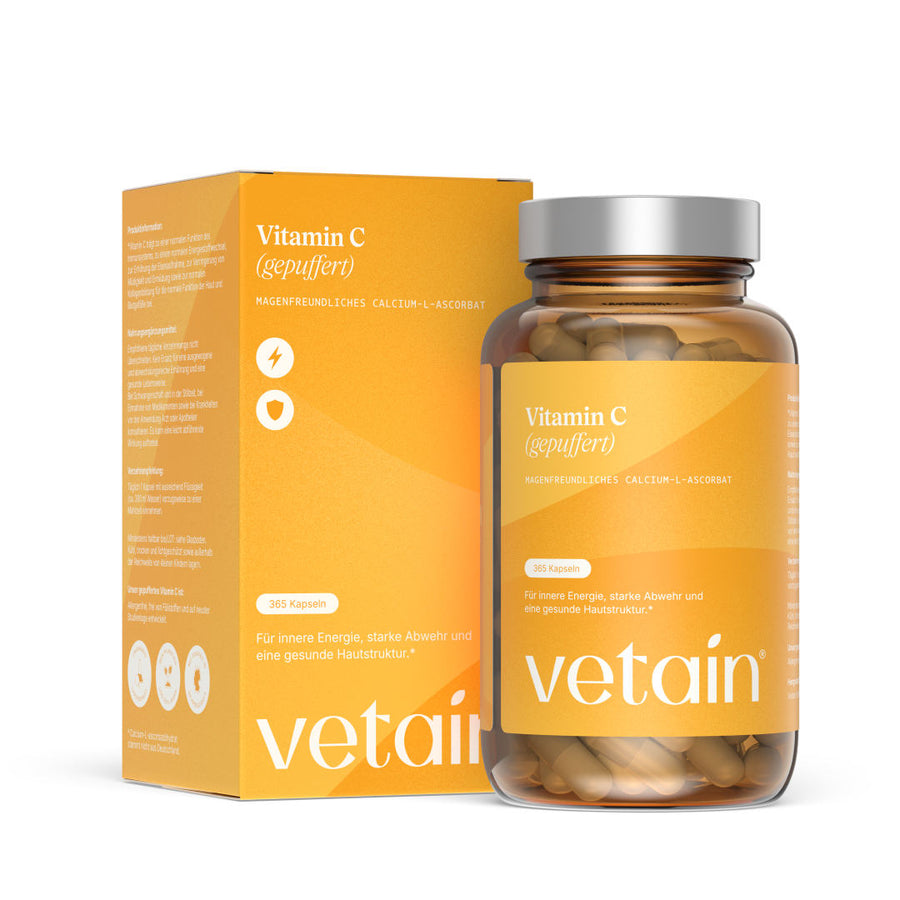
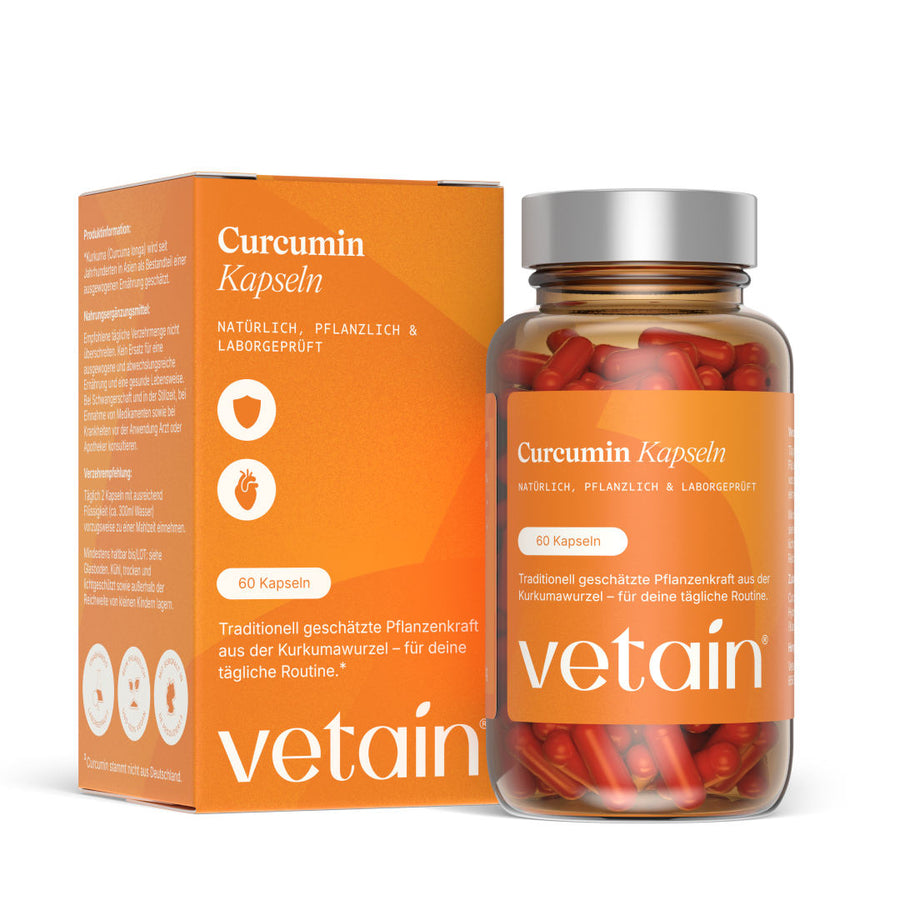
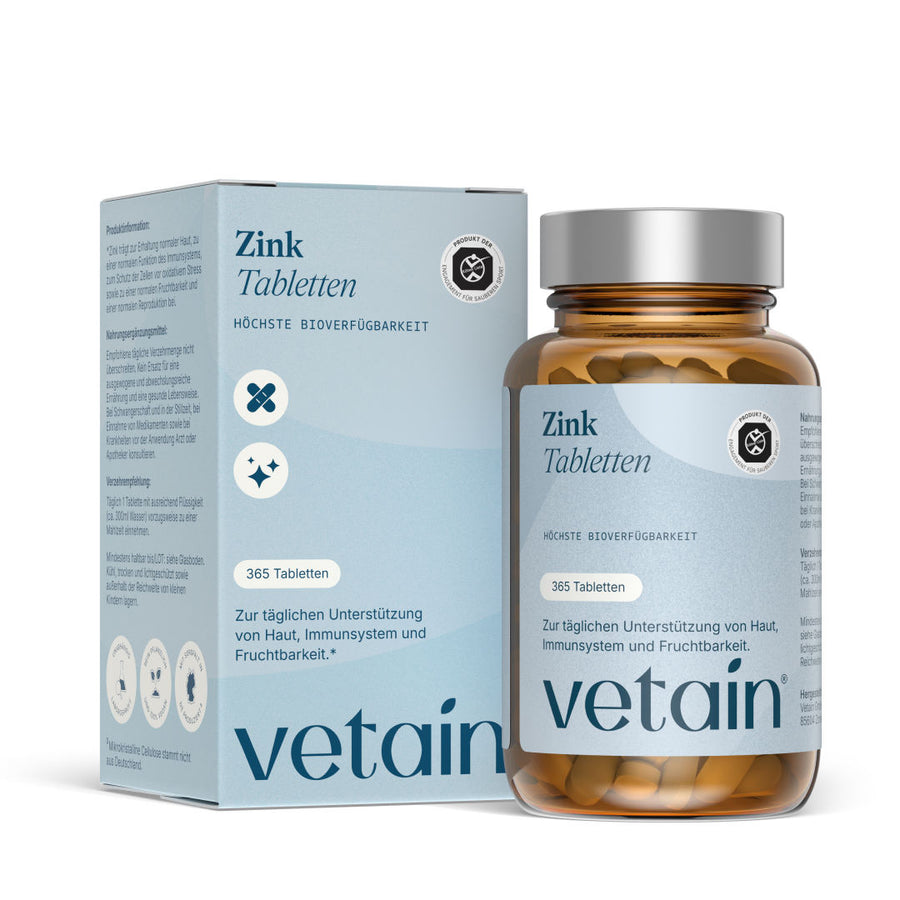
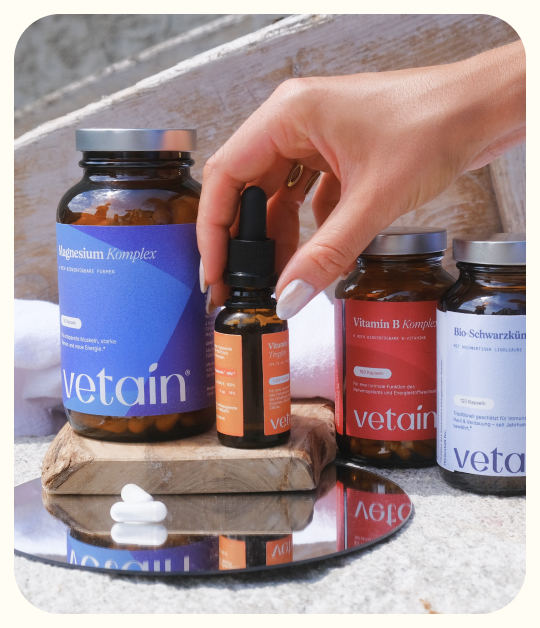
Vetain offers a selection of vegan food supplements These products contain, among other things, vitamin C, OPC, curcumin, and other nutrients. They can help increase the intake of antioxidants and other nutrients, especially when the consumption of fresh fruits and vegetables and other foods rich in antioxidants is limited in winter.
%-product_content-%
Tips for an antioxidant-rich diet in winter
-
Eat a colorful variety of foods every day. fruit and vegetables, ideally at least five portions of fruit & Vegetables a day.
-
Access seasonal winter vegetables How Kale, Brussels sprouts, beetroot, and pumpkin are back, all rich in antioxidants. Feel free to also check out our list of foods with antioxidants.
-
Drink green tea or other teas that contain natural antioxidants – this is especially cozy in winter.
-
Pay attention to a gentle preparation, to preserve the nutrients in the best possible way.
Conclusion
Antioxidants are tiny free radical scavengers that play an important, yet often invisible, role in our daily lives. Perhaps this article has made them a little more visible, and you can now ensure you're getting enough of them. Foods with antioxidants to consume. A varied and colorful diet with plenty of fresh fruit, vegetables, nuts and whole grain products is essential for this.
Additionally, an antioxidant can be used. Dietary supplement contribute to antioxidant intake – especially in winter when the supply of natural sources may be limited.
Do you have any questions? Then feel free to write me a message. Mail - I look forward to hearing from you! :)
The information shared in this article does not replace individual medical or nutritional advice.
literature & Sources
-
Flück, J. (2023). Antioxidants in endurance sports.
-
Lamprecht, M. (2010). Oxidative stress and antioxidants in athletic training. In: Journal of Nutritional Medicine, 12(3).
-
Lüders, Florian. (2025). Antioxidants in therapy: A comprehensive overview.
-
Consumer Advice Center (o.J. ). Antioxidants: Helpers against free radicals.