


















 9 Min
9 Min
 Zuletzt aktualisiert am 23.09.2026

One balanced diet Isn't that our goal? To feel light, content, and comfortable – completely free of cravings or prohibitions.
It's no wonder so many people fail to keep their New Year's resolution to "eat healthier." Because, unfortunately, it's easier said than done. Often, people don't even know exactly what a healthy diet actually is. You constantly read conflicting information online – sometimes carbohydrates are good, sometimes bad. One time you're supposed to eat lots of protein, another time it's bad for your kidneys. All that's left is confusion and frustration.
But that's all over now! In our article, you'll learn everything you need to know about this topic! And our step-by-step guide will accompany you on your journey to a balanced diet, simply and easily.
Your knowledge to go: Balanced nutrition
-
A balanced diet provides you with all the essential nutrients and energy.
-
A healthy diet has many components: fruits and vegetables, water, legumes, and much more. This can be overwhelming at first – our step-by-step guide will help.
-
A balanced vegetarian or vegan diet is possible!
Definition and importance of good nutrition
Let's start with the basics: What does a balanced diet actually mean?
Balanced diet – definition:
A balanced diet covers your energy needs and provides you with all the essential nutrients in the right amount and quality. This means that we need macronutrients (carbohydrates,
This all sounds very theoretical – but don't worry, we'll get straight into practice!
The most important points of a balanced diet:
In Germany, the DGE (German Nutrition Society) e.V. ) the The German Nutrition Society (DGE) is a professional organization when it comes to balanced and healthy nutrition. It has established a number of "rules" or to-dos to help us implement a balanced diet. Let's take a look at these together.
Then I will show you in a short guide how you can implement these points in everyday life.
Drink enough water
Try daily at least 1.5 liters of water Drinks like unsweetened teas or the occasional coffee can help with your fluid intake. Sweetened drinks (and alcohol!) are not recommended and should be considered a special treat.
By the way: If you're doing sports or it's particularly hot, you need more water than usual.
Fruit and vegetables – eat 5 a day
Fruit and vegetables should be eaten daily – in particular 5 portions a day. Why? Quite simply: fruits and vegetables are rich in vitamins, minerals, Dietary fiber and other important nutrients.The saying "An apple a day keeps the doctor away" didn't come from nowhere! ;) So help yourself and make sure you have a wide variety.
Nuts and legumes should be a regular part of your diet.
Although legumes are still a foreign concept to many and nuts are only brought out on St. Nicholas Day, this group deserves much more attention. Because they contain Fabrics How unsaturated fatty acids, vitamins and minerals that are important for you!
Legumes: Beans, peas, lentils, …
nuts: Hazelnuts, walnuts, almonds, …
Whole grain, whole grain, whole grain
I know, sometimes it just has to be white flour (shout-out to my toast this morning). But I still try to opt for whole-grain products as often as possible. They're so much better. nutrient-rich and keep you too longer full!
A little tip: If you've eaten few or no whole-grain products so far, the switch can be difficult because the taste and texture are simply different. To ease into it, feel free to mix white flour and whole-grain products and gradually get used to them.
Vegetable oils should be your first choice.
It doesn't always have to be butter. Vegetable oils They contain healthy fatty acids. Furthermore, oils like olive oil can give a dish a special flavor. Not a fan? No problem, there are also neutral-tasting oils like rapeseed oil.
When heating, always make sure that the oils are suitable for frying!
Milk and dairy products provide nutrients
Milk and dairy products should daily They can be consumed because they are rich in protein and contain nutrients such as calcium or vitamin B12. Calcium is needed, for example, to maintain healthy bones! You can choose between animal and plant-based milk alternatives. With vegan milk alternatives, make sure that nutrients like calcium are added – they are often not naturally present or only in small amounts.
Eggs can also be a regular part of your diet.
By the way: You can find even more protein-rich foods in our Protein table.
Fish: 1-2 times per week
If you consume animal products, you should 1-2 times per week Eat fish (preferably oily fish). Make sure it's of good quality. Fish contains, for example, omega-3 fatty acids and iodine. If you're vegan or vegetarian, you can also get these nutrients from other sources – more on that later!
Meat and sausage in moderation
High-quality meat It contains important nutrients such as iron and zinc. However, meat consumption is associated with some critical aspects, and high meat consumption is the subject of intense debate in scientific studies. The amount of meat consumed should therefore be carefully considered. maximum 300 g per week This amounts to a significant amount! In a vegan diet, these products are avoided and nutrients are obtained from other sources.
Sweet, very salty, and fatty foods? Better not too much.
Surprise! None of these things are really healthy and should therefore only be consumed rarely. in moderation be consumed.Of course, there's nothing wrong with treating yourself to a piece of chocolate now and then, or eating a large slice of cream cake at Grandma's 80th birthday party – that's also part of a realistic, balanced diet. However, it shouldn't become the norm, but rather be seen as a special treat.
Tip: Use sweets, fast food & Don't use these products as a reward or for comfort, otherwise you'll teach your brain to crave them.
Warning: Fat, sugar, and salt are often hidden in foods like bread or sausage!
Avoid distractions, eat mindfully!
A very important point! These days we often eat in front of screens or quickly on the go. Try to take your time for each meal and eat mindfully.
Ask yourself the following questions:
- Do I like this food?
- What do I like about it?
- What is the consistency?
- Which spices can I taste?
Eat together with others if possible and pay attention to your Body signals.
Actively shape your everyday life
Nutrition and Movement They go together like salt and pepper. Therefore, make sure you exercise regularly and achieve or maintain a healthy body weight.
It's not always easy to get enough exercise in everyday life, but with a little practice it's definitely doable – why not give it a try? It doesn't have to be 10,000 steps right away. A short walk is enough to start with.
Balanced vegan diet: Special features
A balanced diet is possible even with a vegan diet! However, you need to pay attention to a few points to ensure that you are getting all the important nutrients in the right amounts.
These are potentially critical nutrients:
-
Calcium → fortified products, sesame, kale
-
Iron → Legumes, whole grain products, pumpkin seeds
-
Iodine → iodized table salt, seaweed (in moderation!)
-
Omega-3 fatty acids → Flaxseed, algae oil, chia seeds, supplements
-
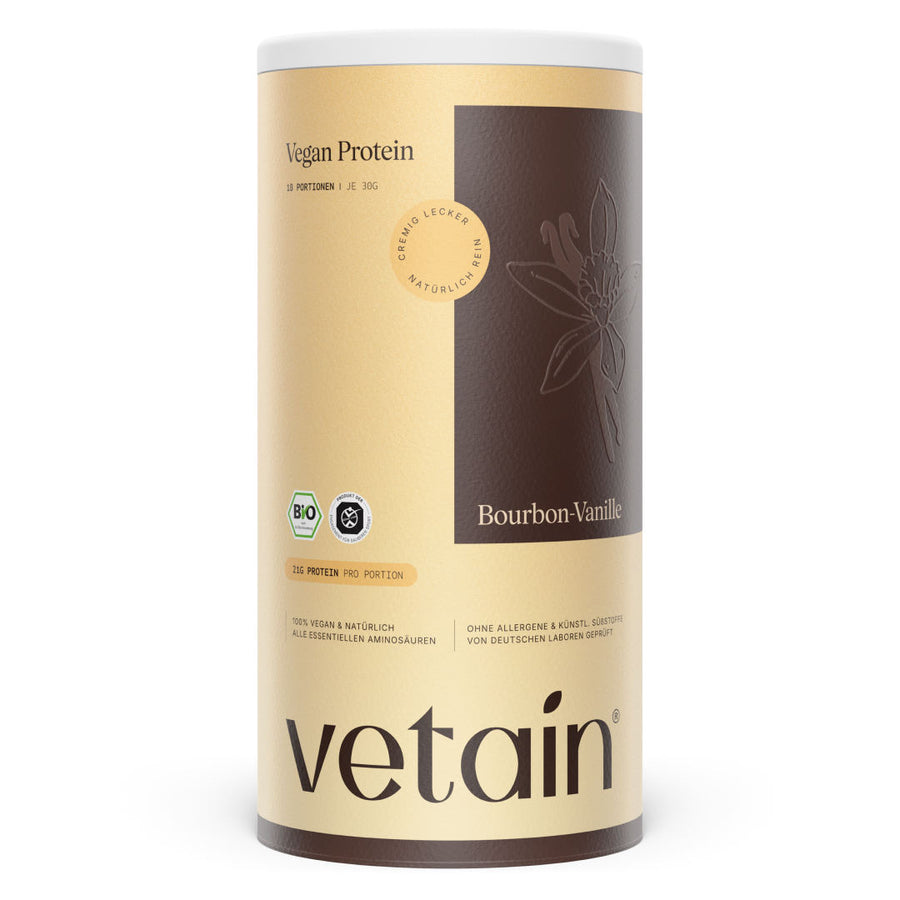
Proteins (especially essential, i.e., indispensable amino acids) → soy, legumes, vegan protein shakes
-
Selenium → Brazil nuts, lentils, whole grains
-
Vitamin B2 → almonds, mushrooms, whole grain products
-
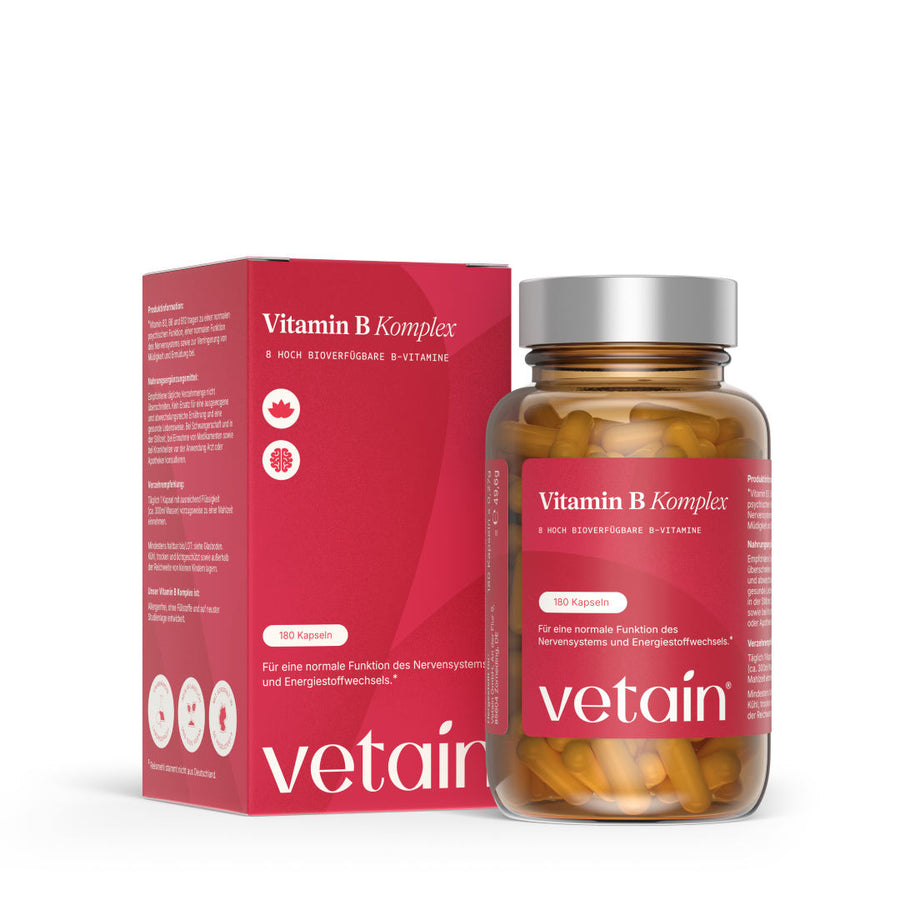
Vitamin B12 → fortified products, supplements
-
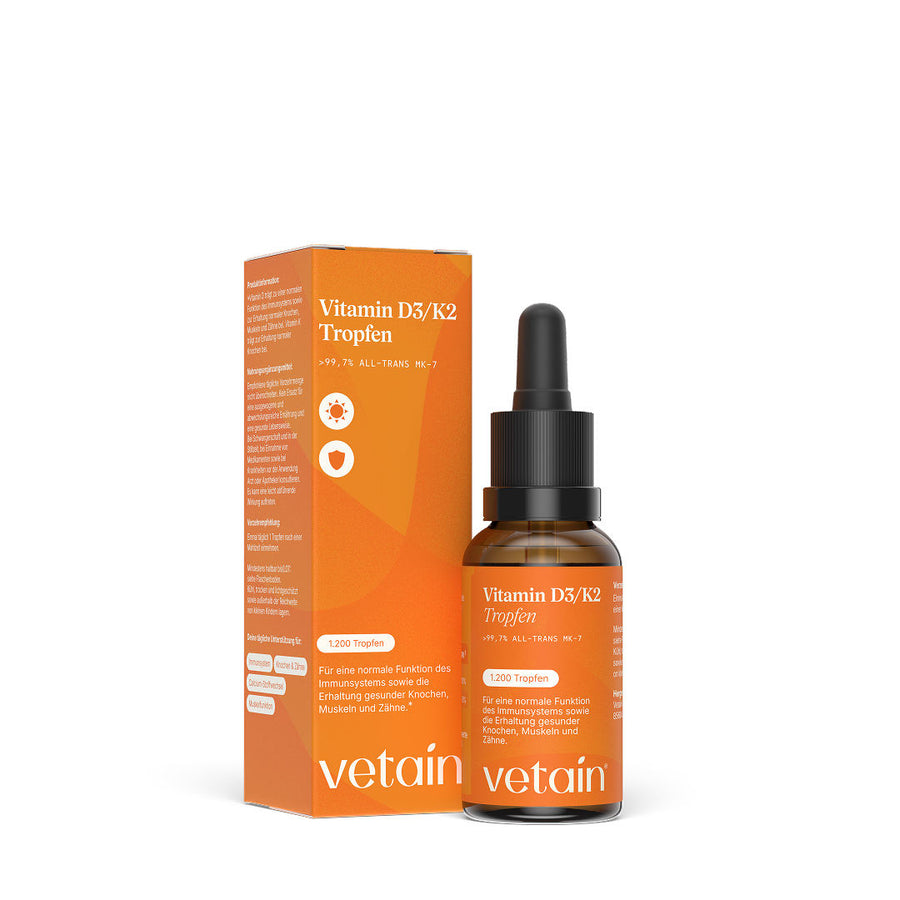
Vitamin D → fortified products, sunlight, supplements
-
Zinc → Oat flakes, various nuts
That may seem like a lot at first, but it's not dramatic – you can get some nutrients from plant-based foods, and others you can supplement.
%-product_content-%
Balanced diet: Step-by-step guide
-
Drink more Water. Keep water within easy reach or install a hydration app on your phone – that way you'll constantly be reminded to drink water. Don't like tap water (yet)? Try adding some fresh fruit or mint to it.
-
Swap white flour products for whole grain products Try one or both. You'll get used to the new taste. Try other alternatives too.z.B. Chickpea pasta).
-
Eat something at every meal. fruit or vegetables Whether it's a salad, roasted vegetables, or a piece of fresh fruit, frozen products are great too! Soon it will become a habit, and you'll automatically incorporate fruits and vegetables into your daily diet. Your taste will change as well – suddenly, fruits and vegetables will taste better.
-
Reduce your consumption of highly concentrated substances salty, sugary, or fatty. Try to find healthier alternatives – for example, choose chocolate with a high cocoa content instead of milk chocolate, or a fruit cake instead of a cream cake.
-
Replace animal
Fat Occasionally, you can substitute vegetable oils or margarine. If you don't like the taste of some oils (like olive oil), you can use neutral-tasting oils like rapeseed oil. -
Put your phone away during meals, turn off the TV and Just focus on your food. (And regarding potential table conversations – please don't ignore anyone because of this article :D). Your food will not only taste better, but you'll also be more aware of when you're full. The risk of overeating decreases. Win-win!
-
Actively shape your everyday life: Walk whenever possible. Take the stairs instead of the elevator. You know the drill. Why not try a new sport? I'm sure you'll find something you enjoy.
-
Eat daily a handful of nuts – either eat them plain or mix them into your muesli. Legumes They can often be easily integrated into a meal: lentil curry, beans as a side dish, or hummus as a spread. Actively look for ways to include these foods in your diet.
-
consume daily (plant-based) milk (products): Cheese as a bread topping, milk in coffee or yogurt for breakfast.
-
Plan your Fish and meat consumption Good. Think about when you want to eat these foods. Almost all dishes have vegetarian or vegan options. vegan alternatives, They taste at least as good. Why don't you try them?
A day with a balanced diet – I'll take you with me
Let's imagine an ideal world where we eat well: What should we eat every day?
Balanced nutrition – an example for your everyday life:
After getting up: a glass of water
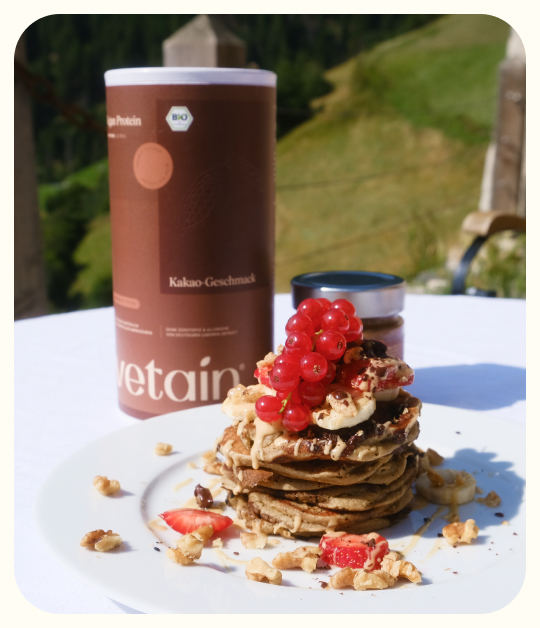
Breakfast: Protein porridge with berries, Coffee with milk (or milk alternative) + a glass of water
Lunch: Dal with a side salad + a glass of water, and a few grapes for dessert.
Afternoon snack: Banana bread + tea
Dinner: Wholemeal bread with hummus, tomatoes and cucumber + a glass of water
Before going to sleep: a glass of water
Not so complicated after all, is it? And all the dishes are delicious, I promise. Healthy eating can be fun too!
By the way: Not every day has to be perfectly balanced! What's important is that the weekly average is correct.
%-split_content-%
Does my balanced diet have to be perfect?
No! Definitely not. We often expect ourselves to do something perfectly right away, and the internet tells us we're failing if we eat a piece of chocolate. Sound familiar?
But that's not reality. balanced Nutrition also means that a balance prevails ALL Food. That no food is forbidden or even "bad". Even "unhealthy" foods should always have a (small!) place in our diet. 😀) have space.
So don't force yourself to implement a perfect diet overnight. Firstly, it's unnecessary, and secondly, it (probably) won't work. Instead, it's like those beloved New Year's resolutions: On January 1st, you walk 10,000 steps, eat healthily, go to the gym, meditate, and do something good for the world. On January 2nd, you still go to the gym and meditate. And by January 10th, you're back to your old habits. That doesn't really get us anywhere.
My tip:
Each month (or every two weeks), choose one point from the guide and implement it. This will make your development more sustainable and actually work. Because instead of having 1000 new rules, you'll have just one to focus on. step by step This is how you build an optimal diet. And after a few months, your diet will already be much better than it is now. Slow progress can be frustrating, I know. But healthy eating isn't a sprint, it's a marathon.
Conclusion
A balanced explanation sounds complicated and boring, but it actually is quite simple and can really delicious Be. Always adhere to the motto. “"Eat the rainbow". This means that your meals should be very colorful (i.e., contain the colors of the rainbow).This is a simple way to ensure that you eat plenty of foods from different groups and thus consume a wide variety of different nutrients. In general, always make sure to favor nutrient-rich foods and eat as naturally as possible.
By the way: There isn't the one proper nutrition, This applies to everyone. We are all individuals and have different needs, expectations, and preferences. So don't compare yourself to others, but focus on yourself.
What does healthy eating mean to you?
literature & Sources
-
DGE (German Nutrition Society) e.V. ) (2024). Reassessment of the DGE's position on vegan nutrition. Position paper of the German Nutrition Society (DGE). In: Nutrition Review International, 71(7).
-
DGE (German Nutrition Society) e.V. ) (o.J. ). Eat and drink well – the DGE recommendations. https://www.dge.de/
healthy-eating/eat-well-and-
drink/dge-recommendations/ -
DGE (German Nutrition Society) e.V. ) (o.J. ). Vegan diet. https://www.dge.de/
healthy-nutrition/faq
/faqs-vegan-nutrition/
Do you have any questions? Then feel free to write me a message. Mail - I look forward to hearing from you! :)
The information shared in this article does not replace individual medical or nutritional advice.